Keep going!  (0% complete)

quiz close icon

module menu icon Additional information

Additional information

Customers may also ask you for advice on flossing, interdental brushes and braces.

Click on the arrows below for more information.
missing image

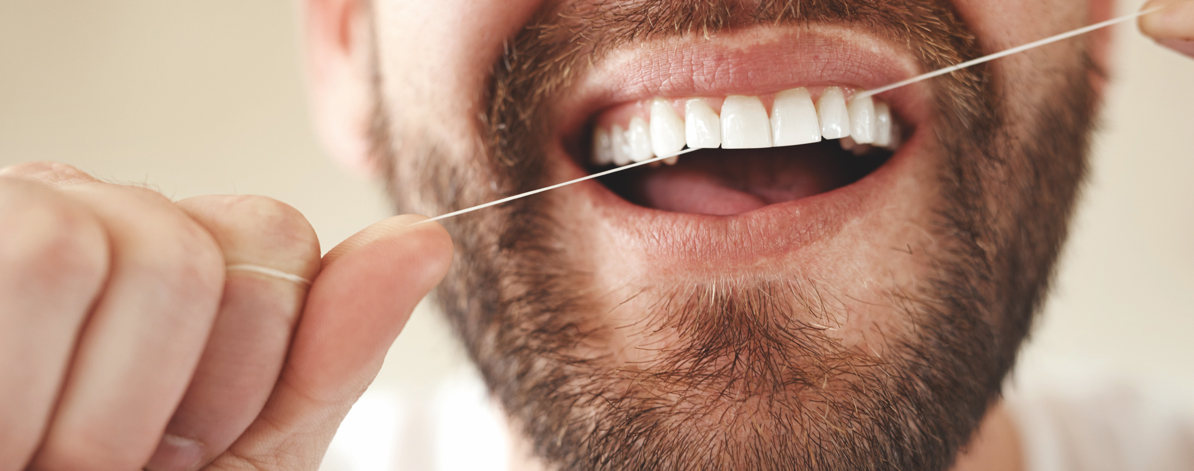
Flossing and interdental brushes

missing image

Braces

Using floss, in addition to regular brushing, can help to remove plaque along the gum line or between the teeth and dislodge any trapped food. It is best to floss before brushing the teeth using either dental floss, water or air flossers. Interdental brushes may be used instead of floss, especially if there are gaps in the teeth. The size of the brush should be appropriate for the size of the space between the teeth, so customers may need to use more than one size. The brush shouldn't be forced into the space, but inserted gently in the gap. Customers using floss/brushes may find a little bleeding at first, but this should reduce after a few days. If it persists, advise them to see their dentist.

Around a third of children need to have orthodontic treatment, including braces.7 Braces are used to straighten teeth, close gaps and correct the "bite" - so that both sets of teeth meet properly when the mouth is closed. It is important to keep both the teeth, and the brace, clean in order to avoid any gum disease or tooth decay.

There are different types of braces. NHS ones are made of metal but ceramic braces and removable, plastic mouthguard style ones are available privately. As braces can trap bits of food and cause plaque to build up on the teeth, customers need to take extra care to clean their teeth and braces properly.